If you are a parent or educator of a child with dyslexia, you may have encountered a puzzling gap: your student can decode words, but their reading fluency is multiple grade levels behind, and their reading comprehension is dangerously low.
When schools focus solely on decoding accuracy as the requirement for extra support, children with fluency and comprehension deficits often get left behind. But science tells us that sounding out words is only the first step—and without automaticity, reading becomes an exhausting mental effort.
The Science: The Working Memory Bottleneck
To understand why a child who can sound out words still struggles to comprehend, we have to look at how the human brain processes information:
- Working Memory is Strictly Limited: Cognitive Load Theory shows that our working memory (our conscious “mental workspace”) can only hold roughly 4 to 7 chunks of new information at once.
- Labored Decoding Overloads the Brain: When a child has not yet mastered automatic word recognition, sounding out letters requires conscious, step-by-step mental calculation.
- The “Memory Decay” Effect: Imagine trying to read a long page of random numbers. You might pronounce every single digit correctly, but by the time you reach the end of the line, your brain has forgotten the numbers at the beginning.
When a child with dyslexia spends all their cognitive energy translating letters into sounds, their working memory reaches cognitive overload. There is simply no mental space left over to organize ideas, connect sentences, or remember what was just read.
How We Bridge the Gap: Offloading Cognitive Strain
The key to helping dyslexic readers transition from labored decoding to true comprehension is reducing extraneous cognitive load—taking the heavy mechanical strain off working memory so the brain can focus on meaning.
Here is how targeted, structured literacy tools make reading easier and more effective:
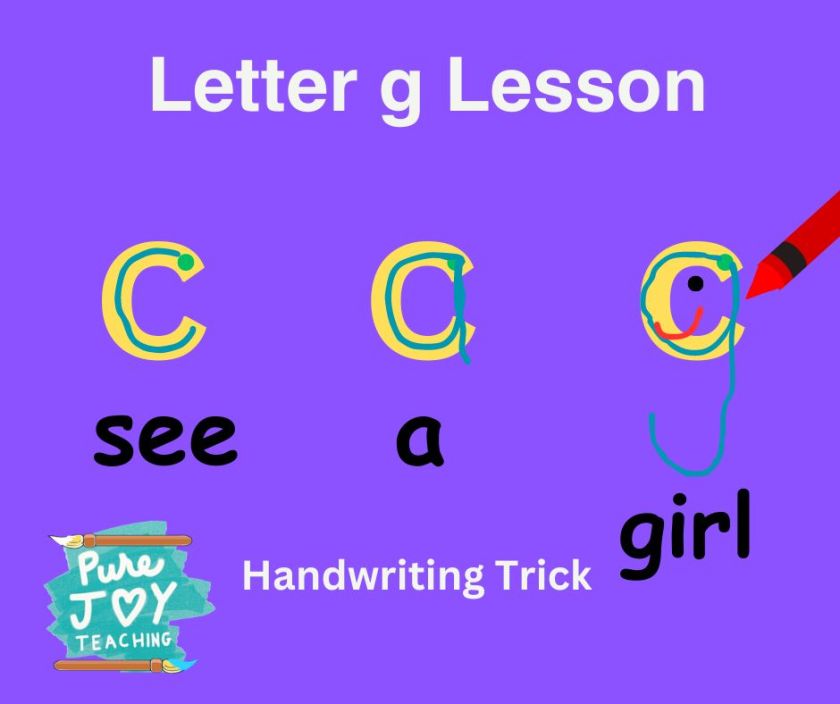
- Visual Picture Mnemonics (Dual Coding): The brain processes visual images and spoken sounds through two separate channels. Embedded picture mnemonics—like turning the vowel team
uiinto a basket of fruit—give students an immediate visual anchor. Instead of frantically searching their memory for an abstract rule, the visual cue instantly unlocks the sound, saving precious working memory capacity. - “Chunk and Chew” Reading Formats: Long, dense paragraphs overwhelm short-term storage. Decodable comic formats break stories into bite-sized, digestible panels. Asking a child to read a short section and draw the scene forces them to build a mental picture of the story, ensuring they comprehend as they go.
- Logical Rules Over Rote Memorization: English spelling can feel full of random “exceptions” that frustrate dyslexic learners. For example, knowing that Final Silent E acts as a guardian because English words do not end in
voruturns confusing words like have or blue into a logical schema. Giving students clear structural rules removes trial-and-error guessing. - Visual Phonics for Tricky Words: Homophones (like there and their) cause major cognitive friction. Embedding subtle visual clues directly into letter shapes—like dressing the letter
iin their in a sports uniform to mean “I am on their team”—helps students permanently map word spellings and meanings into long-term memory.
Making Literacy Accessible and Joyful
Dyslexia is not a reflection of a child’s intelligence or effort—it is a working memory challenge. When we provide visual anchors, bite-sized practice, and logical spelling frameworks, we remove the “spelling tax” and free up their minds to discover the true joy of reading.
At Pure Joy Teaching, our structured phonics games, decodable comics, and picture-embedded anchor charts are designed using these exact Science of Reading principles. They give parents and educators simple, no-prep tools that reduce cognitive load and build confident, fluent readers.
If you have a struggling reader and are looking for more resources to help you help them at home on in the classroom. Here are a few more things that have worked for us. These are not affiliate links, just honest advise.
Nessy has a free spelling Ebook. It is great for students, and they have lots of great videos.
Uncovering the Logic of English, by Author Denise Eide. It is a great book, and she has lots of great videos.
Thank you for visiting this page. Please follow us on Facebook.